

What is DeFi
DeFi (Decentralized Finance) is a financial system operating on blockchain without requiring centralized intermediaries like banks. Instead, smart contracts — programs that execute automatically when conditions are met — handle financial transactions.
DeFi was primarily built on Ethereum, but Bitcoin has its own growing DeFi ecosystem.
Key DeFi benefits:

DeFi protocol บน Ethereum
- Permissionless — Anyone can access without approval.
- Transparent — Every transaction verifiable on-chain.
- Censorship-resistant — No one can block access.
- Composable — DeFi protocols stack like building blocks.
Bitcoin in the DeFi World
Bitcoin is the highest-value digital asset but traditionally seen as limited to store of value. However, multiple ways exist to use Bitcoin in DeFi:
Wrapped Bitcoin (WBTC)
WBTC is a token on Ethereum representing Bitcoin 1:1. Minted by depositing real Bitcoin with audited custodians. Enables Bitcoin holders to access Ethereum DeFi.
- WBTC supply: approximately 200,000 BTC.
- Primary custodian: BitGo.
- Market cap: approximately $130 billion.
Stacks (STX)
Stacks is a blockchain built on Bitcoin with its own smart contracts while inheriting Bitcoin's security. Developers can build DeFi apps on Stacks using Bitcoin as the base layer.

Yield farming ใน DeFi
Rootstock (RSK)
Rootstock (RSK) is a sidechain attached to Bitcoin with Ethereum-compatible smart contracts. Developers familiar with Solidity can build DeFi on RSK using Bitcoin for gas.
How to Access Bitcoin DeFi
Step 1: Prepare Bitcoin
Have Bitcoin in a compatible wallet. To use WBTC DeFi, convert Bitcoin to WBTC on supporting exchanges like Uniswap, dYdX, or Binance.
Step 2: Connect Wallet
DeFi apps use Web3 wallets: MetaMask, WalletConnect, or Rabby for WBTC DeFi. For Stacks ecosystem: Hiro Wallet or Xverse.
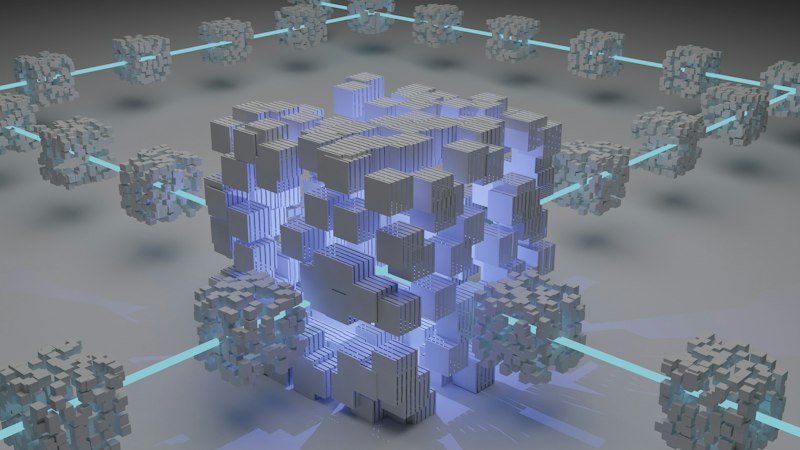
Blockchain decentralized finance
Step 3: Choose DeFi Protocol
Lending/Borrowing
Lend Bitcoin/WBTC for interest, or stake Bitcoin as collateral to borrow stablecoins.
- Aave — One of the largest lending protocols. Supports WBTC.
- Compound — Another popular protocol.
- Maximize — DeFi on Stacks for Bitcoin holders.
Staking and Yield Farming
Stake Bitcoin/WBTC to earn yield from DeFi protocols.
- Curve Finance — AMM suited for stablecoins and wrapped assets.
- Stacks Stacking — Stake STX to earn Bitcoin rewards.
- Liquid Staking — Use staking derivatives like stBTC for liquidity while staked.
Risks in Bitcoin DeFi
Smart Contract Risk
Smart contracts can have bugs that hackers exploit, resulting in total loss. Even audited protocols carry residual risk. Use protocols with track records and reputable audit firms.

DeFi ecosystem overview
Impermanent Loss
Providing liquidity to AMM pools may cause impermanent loss — value loss when asset prices in the pool diverge.
Protocol Risk
Protocols can be hacked, rugged, or fall victim to governance attacks.
WBTC Counterparty Risk
WBTC depends on custodian honesty about Bitcoin backing. Despite audits, counterparty risk remains.
Volatility Risk
Staking Bitcoin as collateral means price crashes can trigger liquidation.
Expected Yields from Bitcoin DeFi
| Method | Approximate APR | Risk Level |
|---|---|---|
| WBTC Lending (Aave) | 1-3% | Low-Medium |
| Stacks Stacking | 5-10% | Medium |
| Curve WBTC pools | 2-8% | Medium |
| Yield Farming | 10-50%+ | High |
| Liquid Staking | 4-8% | Medium |
Warning: Exceptionally high yields come with exceptionally high risks. Promises of 30-50%+ without risk are almost certainly scams.
Bitcoin DeFi for Thai Users
DeFi adoption is growing in Thailand, but caution is warranted:
Regulatory Environment
Thailand's SEC has guidelines on digital assets. Using DeFi may fall under regulated activities, especially if providing services or earning returns as a non-natural person.
Platforms
- Bitkub — Thailand's largest exchange. Some DeFi services available.
- Satang — SEC-licensed exchange.
- Direct DeFi access — Requires wallets and direct protocol usage, potentially outside Thai oversight.
Starting Bitcoin DeFi Safely
Start Simple
Begin with straightforward staking services like Stacks Stacking via Hiro Wallet or Bitstack (Thai staking service).
Learn First
Study how each protocol works. Read whitepapers, documentation, and audit reports.
Start Small
Test with small amounts until comfortable, then gradually increase with experience.
Diversify
Never put everything in one protocol. Spread across multiple protocols and maintain cash reserves.
Frequently Asked Questions
How does Bitcoin DeFi differ from Ethereum DeFi?
Bitcoin DeFi has smart contract limitations compared to Ethereum, but benefits from Bitcoin's superior network security. Bitcoin DeFi is growing rapidly through solutions like Stacks, RSK, and Lightning Network.
Do I need a lot of money to start Bitcoin DeFi?
No minimum, but tiny amounts may not yield enough to cover gas fees. Recommended starting with at least 0.01 BTC.
Is DeFi safe?
Multiple risks exist. Using reputable, audited protocols and understanding what you're doing keeps risk manageable. For the non-technical, use services with simple interfaces or consult experts first.
Is Bitcoin DeFi legal in Thailand?
Holding Bitcoin and using DeFi directly exists in regulatory gray areas. The SEC doesn't license exchanges for DeFi services directly. Direct protocol usage isn't explicitly prohibited, but regulations may change. Monitor developments and consult legal experts if uncertain.
What's the difference between yield farming and staking?
Staking locks assets to earn passive yield. Yield farming actively moves assets between protocols to maximize returns — more active and riskier. For beginners, start with staking.
❓ คำถามที่พบบ่อย
❓ บทความนี้อัปเดตเมื่อไหร่?
พฤษภาคม 2569 — ข้อมูลราคาและกฎหมายอัปเดตล่าสุด
❓ สามารถนำบทความไปแชร์ได้ไหม?
แชร์ได้เต็มที่ แต่ต้องให้เครดิต Cashless Thailand