
Bitcoin as Inflation Hedge: Why It's Considered a Safe Haven Asset

What is Inflation and How It Erodes Your Wealth
Inflation means prices for goods and services rise continuously while your money's purchasing power declines. Official inflation figures (2-3% annually) may not reflect your actual basket of purchases.
Concrete example: 100,000 THB in 2000 bought approximately 2,000 kg of rice (50 THB/kg). In 2026, that same amount buys approximately 400 kg (250 THB/kg). Your 100,000 THB lost 80% of its value in 26 years.
The root cause: central banks worldwide print money continuously. Particularly after the 2008 crisis and COVID-19 stimulus, the US Federal Reserve increased money supply by over 80% within a few years.

Gold และ Bitcoin เปรียบเทียบ
Why Bitcoin is Viewed as an Inflation Hedge
Bitcoin was designed as the opposite of fiat currency in terms of supply:
Fixed and Predictable Supply
Bitcoin's maximum supply is hard-capped at 21 million BTC. Nobody — not governments, central banks, or even Satoshi Nakamoto — can increase supply beyond the algorithmically defined schedule. Bitcoin's inflation schedule systematically decreases with every halving until new supply effectively stops.
Enforceable Hard Cap
Central banks could abandon gold standards because gold is a physical commodity. Bitcoin protocol is enforced by mathematics and cryptography that humans cannot alter without global consensus from all participants.

Bitcoin สินทรัพย์ต้านเงินเฟ้อ
Extreme Divisibility
Despite limited supply, Bitcoin divides to 8 decimal places. Regardless of Bitcoin's price, you can always buy fractions for small purchases.
Bitcoin vs Gold as Inflation Hedge
Gold has been the inflation hedge for millennia with deep-rooted confidence. However, as a physical asset, it's difficult to store and transport. Price discovery depends heavily on sentiment.
Bitcoin has advantages:
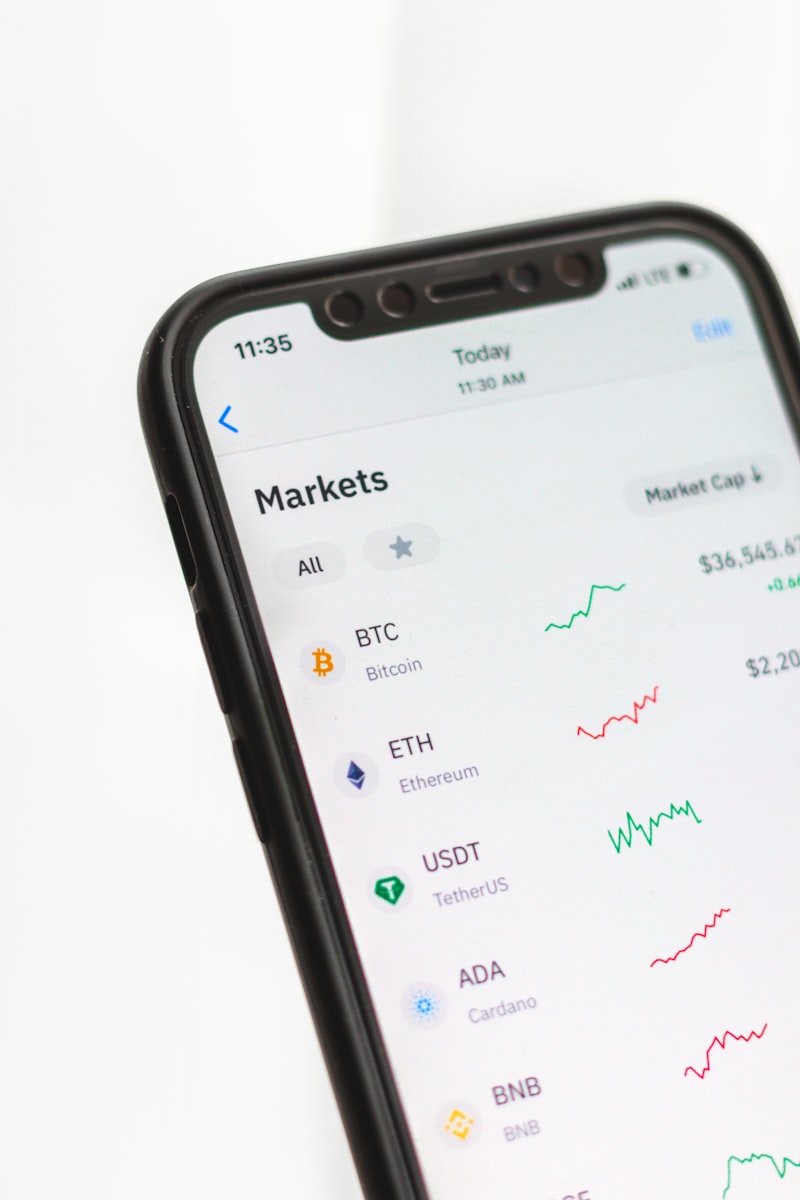
เงินเฟ้อโลกและการกระจายตัว
- Transportable — Move Bitcoin across borders far more easily than gold.
- Divisible — Far finer divisions than gold.
- Verifiable — 100% provable authenticity on-chain.
- Programmable — Build smart contracts and financial products on Bitcoin.
- Censorship-resistant — No one can freeze or seize if you hold your keys.
Bitcoin disadvantages vs gold:
- Higher volatility — Bitcoin swings 2-3x more than gold.
- Shorter track record — Only 15 years of investment history.
- Technology risk — Bug, hack, or superior alternative risk.
- Regulatory uncertainty — Unclear rules in many countries.
Bitcoin vs Thai Baht: Which Holds Value Better
Thai Baht
Bank of Thailand controls THB money supply. Thai CPI inflation (2020-2025) ran approximately 1-6% annually. While seemingly manageable, combined with THB weakening against the dollar, Thai purchasing power has genuinely declined.
Bitcoin
Long-term (4+ years), Bitcoin typically outperforms both THB and gold. In 2017, BTC was ~400,000 THB. By 2026, it's approximately 2.2 million THB — a 5x gain. Meanwhile, THB lost approximately 20% vs USD over the same period.
Store of value ในโลกดิจิทัล
Countries Using Bitcoin Against Inflation
El Salvador
First country to adopt Bitcoin as legal tender (2021). Government purchases Bitcoin for national reserves. Primary goal: reduce dollar dependency and cut remittance costs.
Argentina
Experienced persistent high inflation. In 2023, inflation reached 142%. Many Argentinians turned to Bitcoin to preserve wealth.
Venezuela
Suffered the worst hyperinflation in modern history (millions of percent). Bitcoin became life savings for many.
Bitcoin as a Store of Value
Store of Value requirements:
- Scarcity — Limited supply.
- Durability — Doesn't degrade.
- Portability — Easily moved.
- Acceptability — Accepted as medium of exchange.
- Divisibility — Easily divided.
Bitcoin excels in all except "Acceptability," which is growing, especially among millennials and Gen Z. Acceptance grows every year.
Should You Hold Bitcoin as Inflation Hedge
Depends on:
- Investment horizon — Suitable for 5-10+ year holds.
- Risk tolerance — Expect 50-80% drawdowns during bear markets.
- Technology understanding — Without understanding Bitcoin, you may panic-sell during crashes.
- Portfolio allocation — Recommend no more than 5-10% for those new to crypto.
Frequently Asked Questions
Gold vs Bitcoin for inflation protection — which is better?
Both have different strengths. Gold has a 5,000-year track record and lower volatility. Bitcoin has higher upside potential and offers more privacy. A balanced portfolio should include both according to individual risk tolerance.
Will Bitcoin be replaced by another cryptocurrency?
Theoretically possible, but Bitcoin has the strongest network effect, security, and decentralization in crypto. A new cryptocurrency would need to demonstrably surpass Bitcoin across multiple dimensions — which hasn't happened yet.
What if governments ban Bitcoin?
Many governments attempt to regulate Bitcoin but complete bans are nearly impossible because Bitcoin operates on a decentralized network with no single control point. Bans create innovation disadvantages relative to accepting countries.
How much Bitcoin should I buy for inflation protection?
No fixed amount. Rule: invest only what you can afford to lose entirely. Bitcoin is highly volatile. For beginners, DCA small amounts regularly and don't exceed 5-10% of total portfolio.
Does Bitcoin have intrinsic value?
Debated endlessly. Some believe value comes from scarcity and network effect (like gold). Others point to utility in cross-border transfers and alternatives to banking. Regardless of perspective, Bitcoin has proven effective at preserving value in certain scenarios.
❓ คำถามที่พบบ่อย
❓ บทความนี้อัปเดตเมื่อไหร่?
พฤษภาคม 2569 — ข้อมูลราคาและกฎหมายอัปเดตล่าสุด
❓ สามารถนำบทความไปแชร์ได้ไหม?
แชร์ได้เต็มที่ แต่ต้องให้เครดิต Cashless Thailand